

Built-in Wall Units vs. Freestanding Storage: Pros & Cons
In luxury interiors, storage has evolved into much more than a basic necessity — it has become a design signature you can find and see by aesthetic preference, and a representation of elegance and cleanliness. No matter if it is within a residence in the living room area, the bedroom, or a lounge area, even walk-in closets the way you think about storing and displaying your items greatly affects the overall design. The two most common storage solutions are built in wall units vs freestanding storage units. Each has its own design language, range of function, and visual impact.
Gaining an understanding of the strengths and weaknesses of either storage option is essential in designing a space that goes beyond visual appeal to harmony with everyday living. Built-in wall units have the potential for seamless integration and represent a level of architectural precision; while freestanding storage can show an individuality with design statements. We will go through the two types of storage options in succession.
What Are Built-in Wall Units?
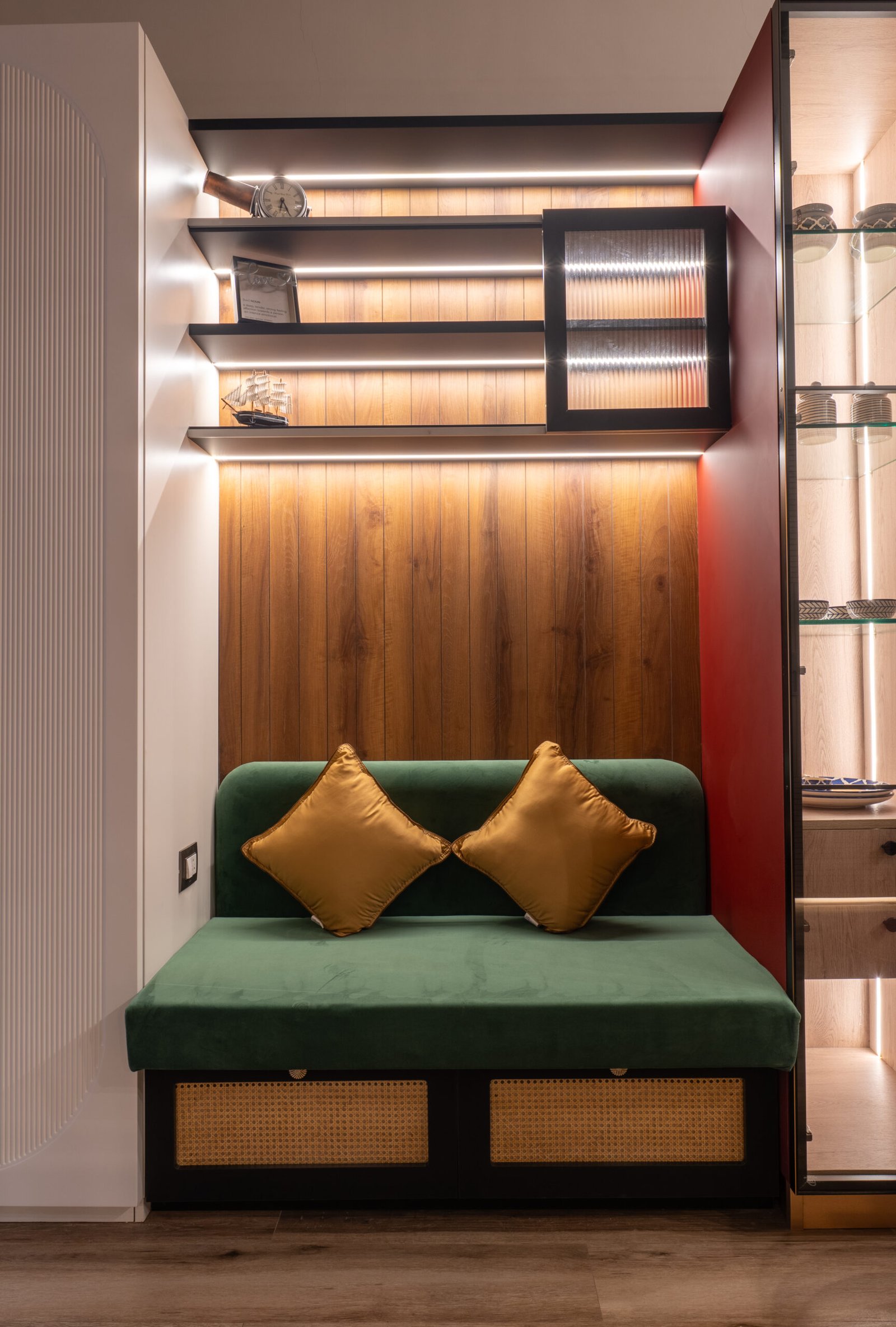
A built-in wall unit is intended to be incorporated into a room’s architecture for a cohesive, integrated look. Optional furnishings are built specifically for the given area, while fitted or built-in systems are produced to ensure exact alignment. Built-in units can come from different forms of units, such as a modular wall storage unit, an entertainment console or unit, a library or bookcase, or wardrobe.
The true benefit of built-ins is that they can be permanent and refined. Everything, from finishes to configurations of shelves and drawers, are selectable to achieve the design intent of the homeowner. A built-in wall unit, when completed well, is not only pleasing to the eye and increases storage, but becomes an architectural feature that defines much of the luxurious appeal of the room.
What Is Freestanding Storage?
Freestanding storage embodies wardrobes, cabinets, credenzas, bookcases, and shelving bases that are not secured to the wall, which makes them valued for their adaptability, mobility, and flexibility. A freestanding wardrobe or cabinet can be replaced, or moved or adapted to fit the requirements of the internal space.
Freestanding designs are often used to make a statement in furniture, thus giving character and identity to the space. Freestanding storage comes in a plethora of styles ranging from traditional woodgrain finishes to contemporary lacquered or mirrored finishes, allowing you to explore aesthetics and draw attention to decor trends throughout the larger interior scheme.
Pros of Built-in Wall Units
- Seamless Integration –
Built-ins are designed to blend effortlessly into the architecture of the room to become an extension of the walls. In turn, the space is left with a sophisticated elegance, without visual interruptions that disrupt the architectural flow of spaces that feel elegant, cohesive, and purposeful.
- Customization –
Every aspect of a built-in wall unit can be perfectly customized, from shelf placement and drawers to finishes, lighting and detailing. This customization is critical to ensuring that the design aligns perfectly with the luxury aesthetic and lifestyle of the client, thus establishing a unique solution that supports the personality of the space.
- Optimized Storage –
Built-in units utilize every single dimension available to ensure every aspect is utilized while incorporating product features such as hidden storage, tall storage units, and shelving to create an organized layout that is both functional and beautiful. Built-ins are a terrific option to provide organized storage in the home and are able to provide organization whilst still achieving design flow.
- Architectural Value –
Built-in wall units create a sense of permanence, balance, and continuity of design beyond practicality. Built-in wall units frequently serve as an architectural feature themselves and value to the perceived value of the home and can provide a feeling of elevated sophistication and exclusivity.
Cons of Built-in Wall Units
1.Fixed Location
Built-in wall units, once installed, simply become a part of the building’s architecture that is not easily moved, rearranged, or repurposed. Although it adds a level of permanence, being built-in detracts from the ability to adjust the space for new functions or evolving design preferences over time.
2.Time Intensive Installation
Built-in units require thorough planning, quality craftsmanship, and professional installation. Each build-in will require architectural modifications and requires customizing at every stage, sometimes taking significantly longer than freestanding products. Therefore, built-ins are a long game requiring patient design planning.
3.Design Commitment
A built-in wall unit is a long-term design commitment, and once the style, finishes, and built are established, they will be part of the design template for years. This may not suit those who enjoy creating a different look for a space based on their changing design preferences or personal aesthetic and, therefore, a built-in becomes less ideal, knowing the look will take considerable modifications or reconstruction
Pros of Freestanding Storage
1.Flexibility – Freestanding storage offers the freedom to rearrange and reposition pieces as interiors evolve, making it ideal for those who enjoy experimenting with layouts or refreshing their spaces over time. This adaptability ensures the furniture remains relevant to changing design preferences and lifestyle needs, without requiring major structural modification
2.Statement Design – Unlike built-ins that blend seamlessly into the architecture, freestanding wardrobes, cabinets, or shelving units often act as independent statement pieces. Their distinct presence can establish a strong focal point in the room, adding personality, artistic character, and charm to interiors while also complementing other luxury elements.
3.Ease of Replacement – Freestanding pieces provide the advantage of effortless replacement or upgrading. As tastes evolve, they can be swapped out or refreshed with newer designs, finishes, or styles, ensuring interiors never feel static. This makes freestanding storage an attractive choice for those who value both design variety and long-term flexibility.
4.Wide Range of Styles – Freestanding storage is available in a diverse array of styles, from classic woodgrain finishes that convey timeless elegance to sleek modern lacquered surfaces and contemporary mirrored designs. This extensive variety allows homeowners to choose pieces that perfectly reflect their aesthetic vision, offering greater creative freedom in crafting interiors that feel uniquely personal and sophisticate
Cons of Freestanding Storage
1.Less Seamless Appearance – Unlike built-in wall units that merge perfectly with architectural lines, freestanding pieces often create a less cohesive look within the room. They may leave visible gaps around the sides or above the unit, which can disrupt the sense of symmetry and flow in a carefully designed luxury interior.
2.Space Utilization – Freestanding storage typically does not make full use of available dimensions, which means some areas may remain underutilized or wasted. Awkward corners, ceiling heights, or wall recesses often go untouched, resulting in a layout that is less efficient compared to tailor-made built-ins.
3.Lack of Integration – Freestanding designs can be limiting when it comes to incorporating modern features such as concealed lighting, built-in appliances, or bespoke detailing. Unlike built-ins, they are rarely engineered to merge with technology or architecture, which can make them feel less sophisticated and less aligned with contemporary interior innovations.
Built-in vs. Freestanding: Which Should You Choose?
When deciding between a built-in wall unit vs freestanding storage, the choice depends on your lifestyle, design vision, and priorities.
- A built-in wall unit is ideal if you value precision, seamless integration, and architectural refinement. It is perfect for homeowners who want storage that feels like a natural extension of their interiors. With custom finishes and layouts, built-ins deliver a timeless, tailored aesthetic.
- A freestanding storage unit, on the other hand, is the right choice if you appreciate flexibility, individuality, and statement furniture pieces. It offers the freedom to change, rearrange, or update designs over time while still providing luxury finishes and premium craftsmanship.
Both options can be elevated with high-end materials, sophisticated finishes, and bespoke detailing, ensuring that your home reflects functionality, elegance, and lifestyle sophistication.
Final Thoughts
Whether you choose built-in wall units for their seamless integration or freestanding storage for their versatile charm, the key is to ensure the solution complements your interiors and reflects your personal lifestyle. Both options, when executed with attention to detail and design precision, can transform your home into a space that is as functional as it is luxurious.
At Canvas Kitchens, Wardrobes & more we specialize in crafting both customized built-in wall units and premium freestanding storage solutions, designed with meticulous attention to detail and elegant finishes.
Redefine your interiors with storage solutions that merge design, precision, and luxury. Begin your journey with Canvas Kitchens, Wardrobes & more today.