

10 Mistakes to Avoid While Designing a Modular Kitchen
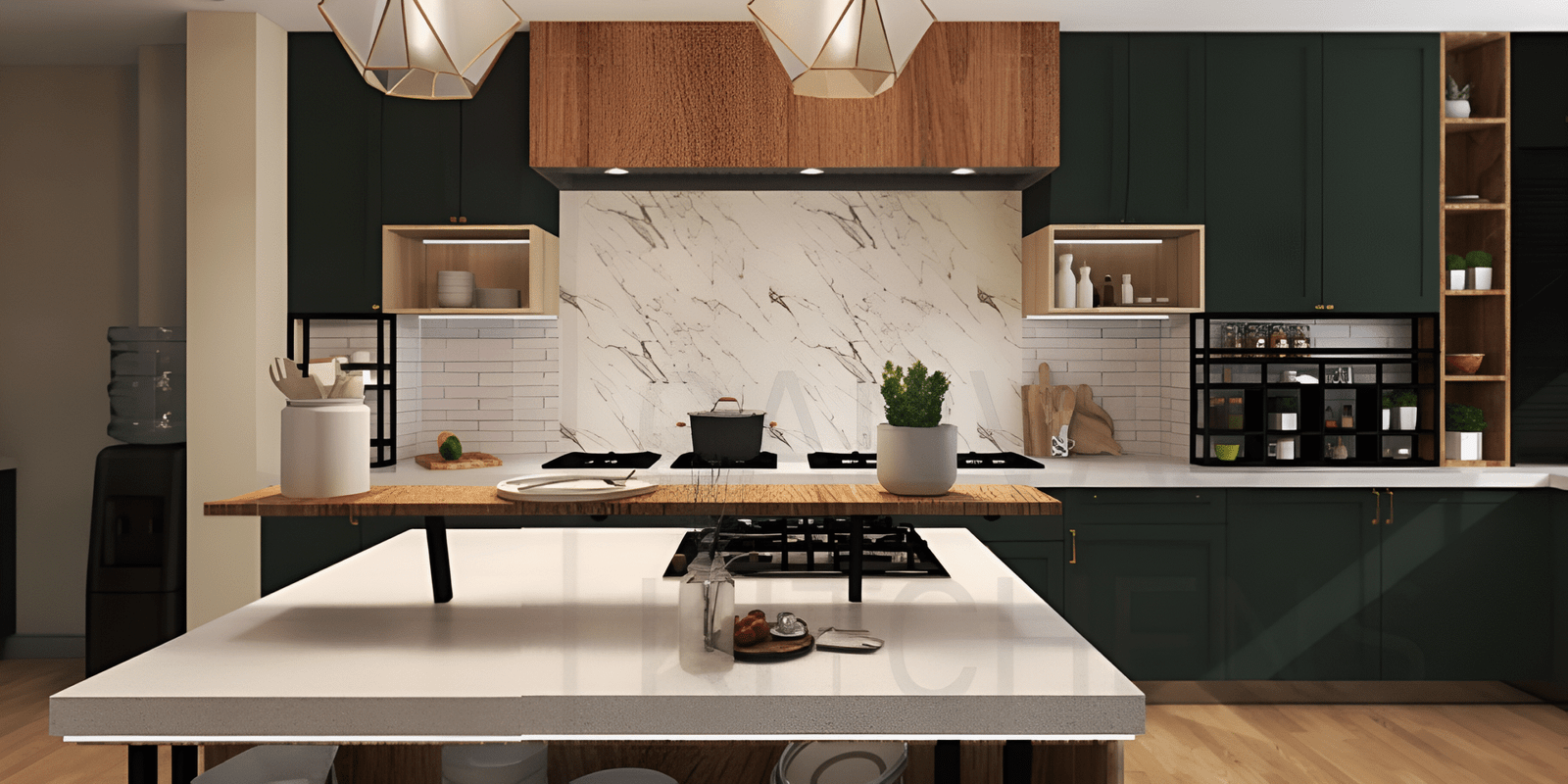
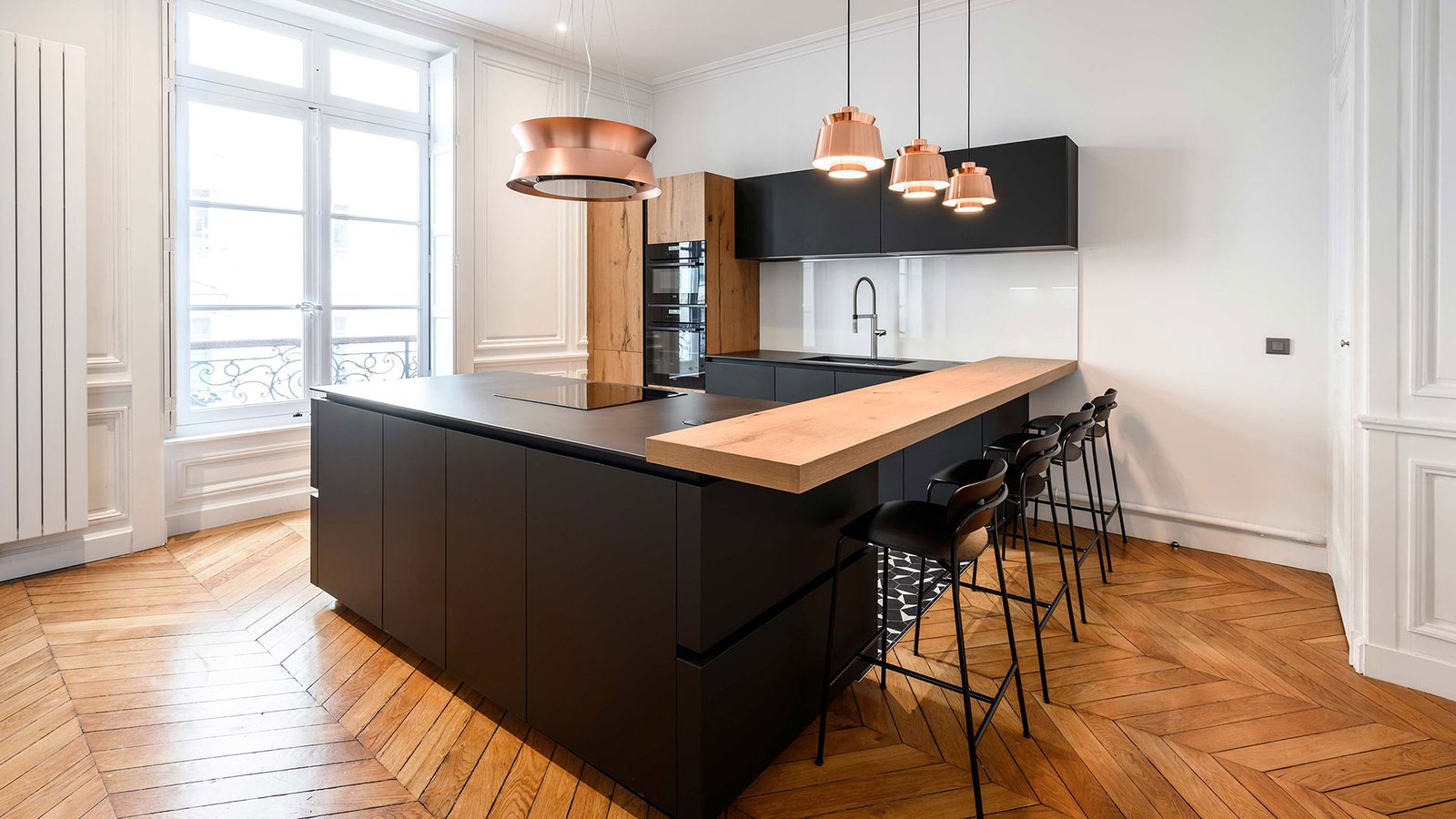
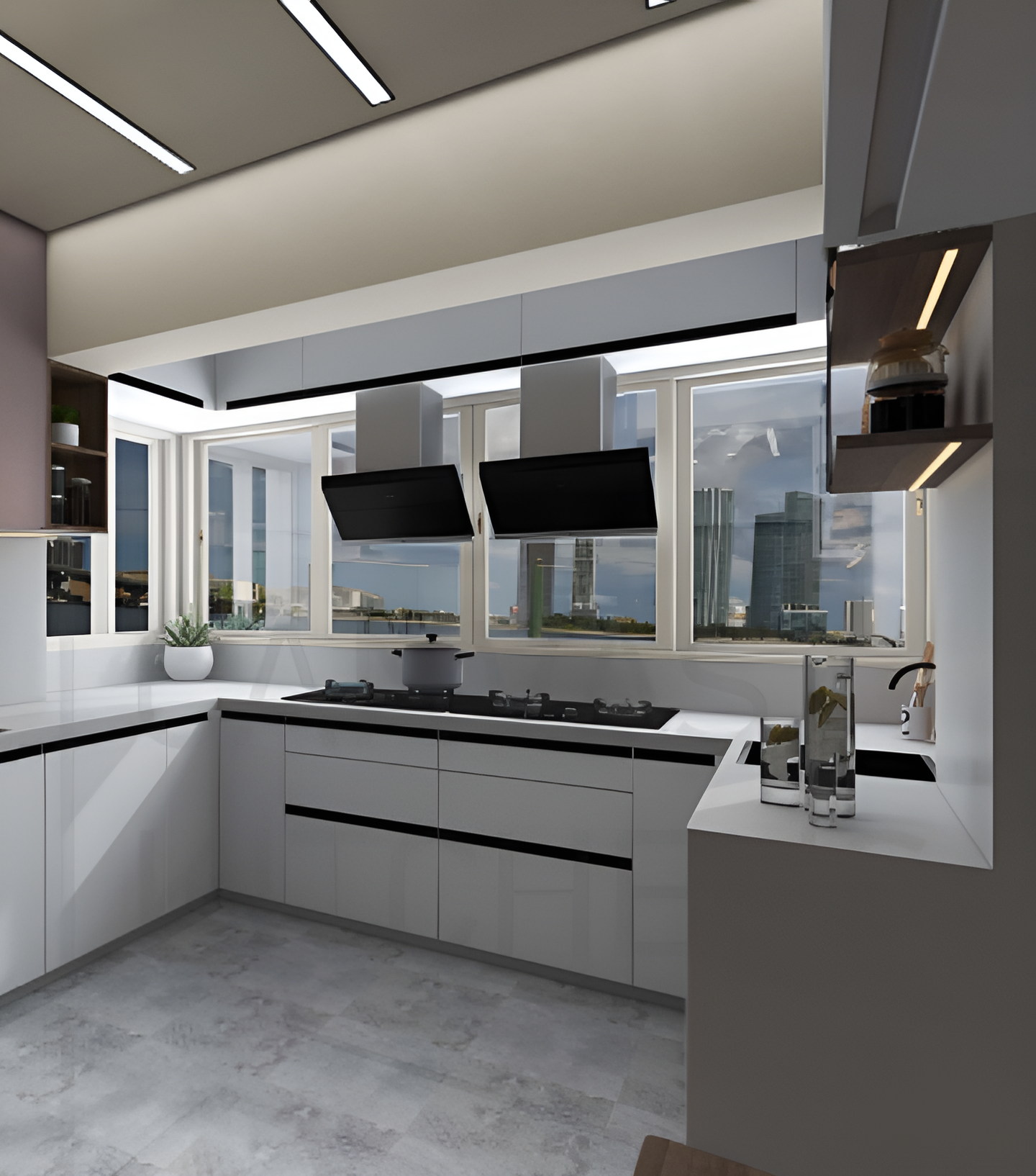
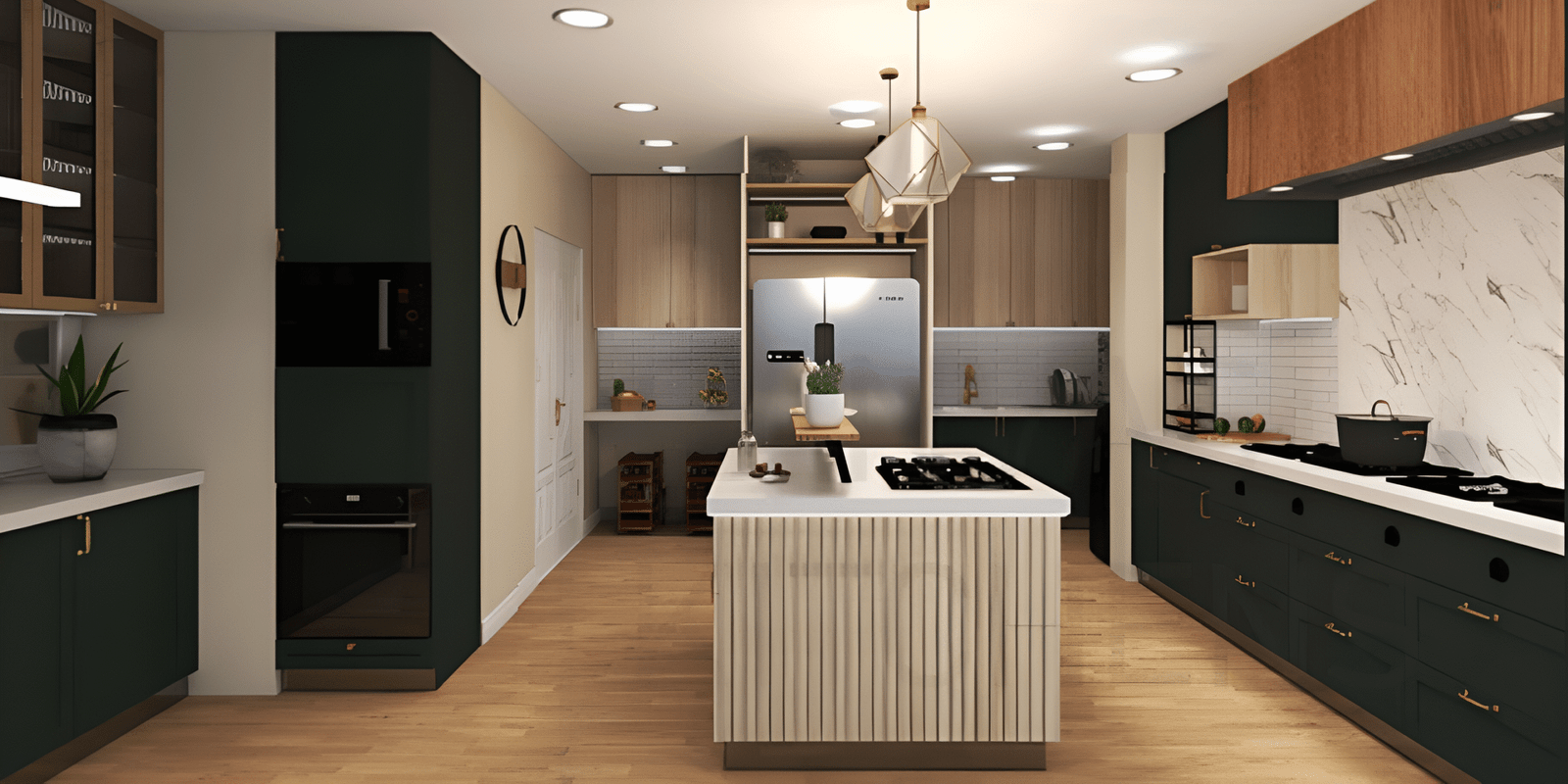
The modular kitchen is much more than simply a place to prepare meals – it is the hub of any contemporary home, merging luxury, function, and exact design into a cohesive whole. It is a representation of the homeowner’s personality and dictates how the rest of the interiors are perceived. A well-planned modular kitchen takes smart storage considerations, high-quality finishes, fittings, and ergonomics, and turns it into a wonderful and functional area.
The right modular kitchen elevates daily living with sophistication, organization, and efficiency. Every detail matters — from the placement of cabinets and appliances to the careful zoning of work areas. Without this attention to detail, even the most elegant kitchen can lose its charm and feel outdated. Poor planning, neglected layouts, or overlooked ergonomics can make the kitchen difficult to use, regardless of its aesthetics.
To ensure your kitchen reflects the very best of modern luxury and precision, it is crucial to approach the process with care. With that in mind, here are the 10 mistakes to avoid while designing a modular kitchen — insights that will help you achieve a flawless balance of style and performance.
1. Ignoring the Kitchen Work Triangle
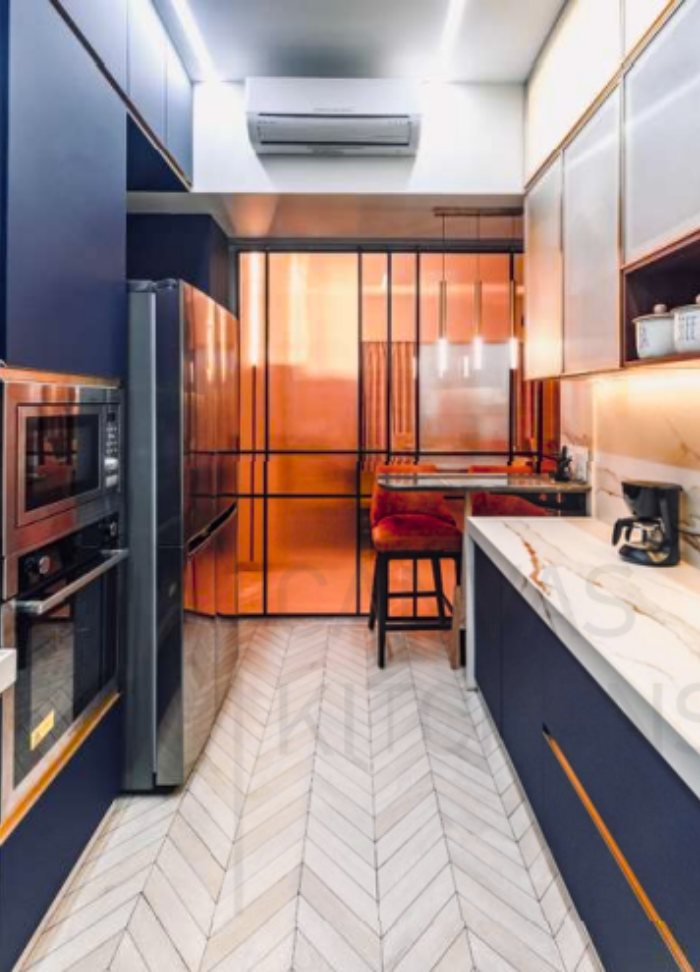
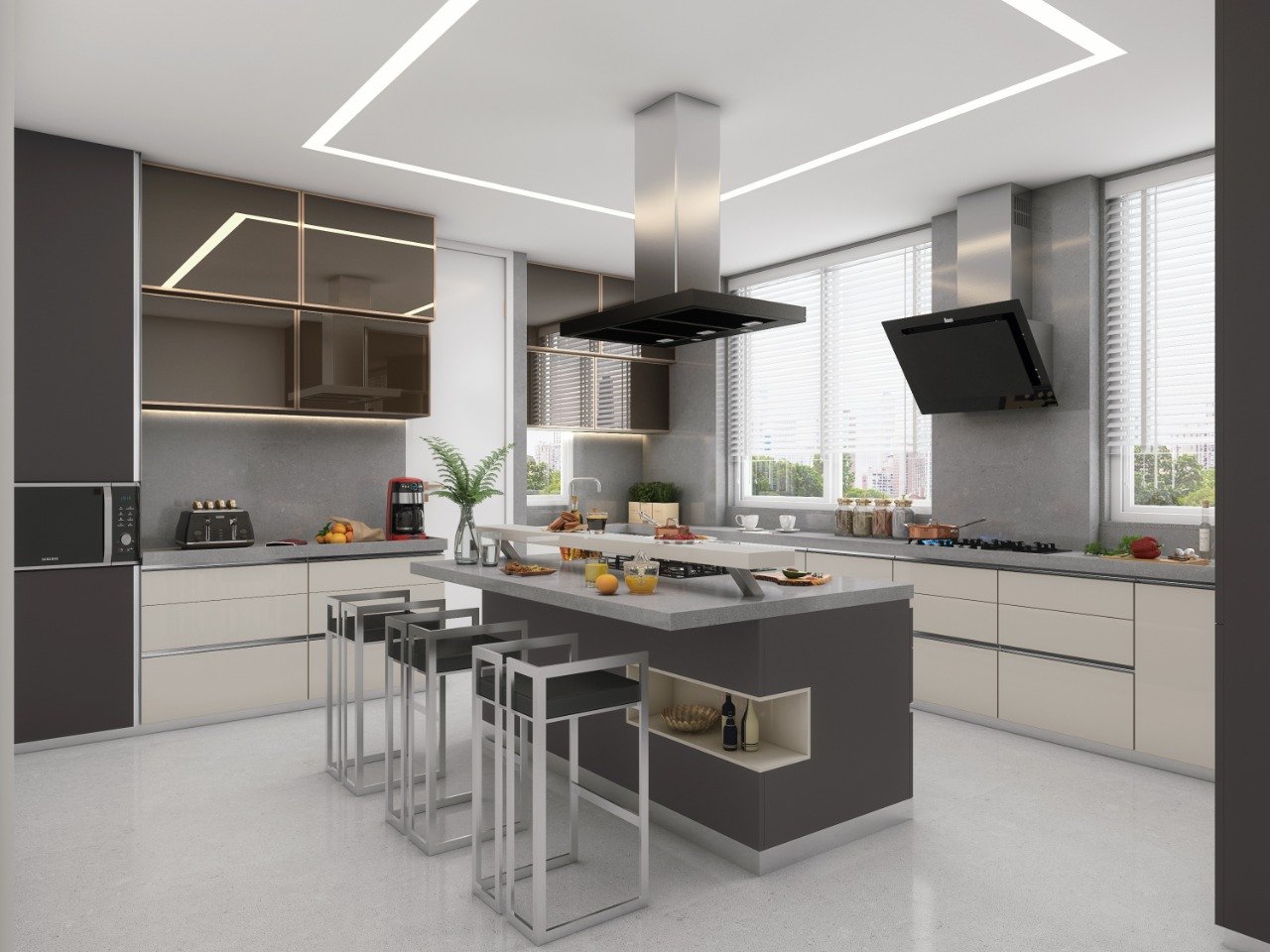
The work triangle — the purposeful placement of the hob, sink, and refrigerator — is the bedrock of an efficient kitchen design. Dissonance or poor alignment in these three elements becomes a source of disrupted workflow, ultimately leading to a high movement and a low quality of work during cooking. A functional modular kitchen promotes a natural flow between the cooking, cleaning, and storing zones and allows the chef to transition seamlessly between task. Maintaining this balance not only keeps the efficiency but enhances the overall luxury experience in the kitchen.
2. Overlooking Storage Planning
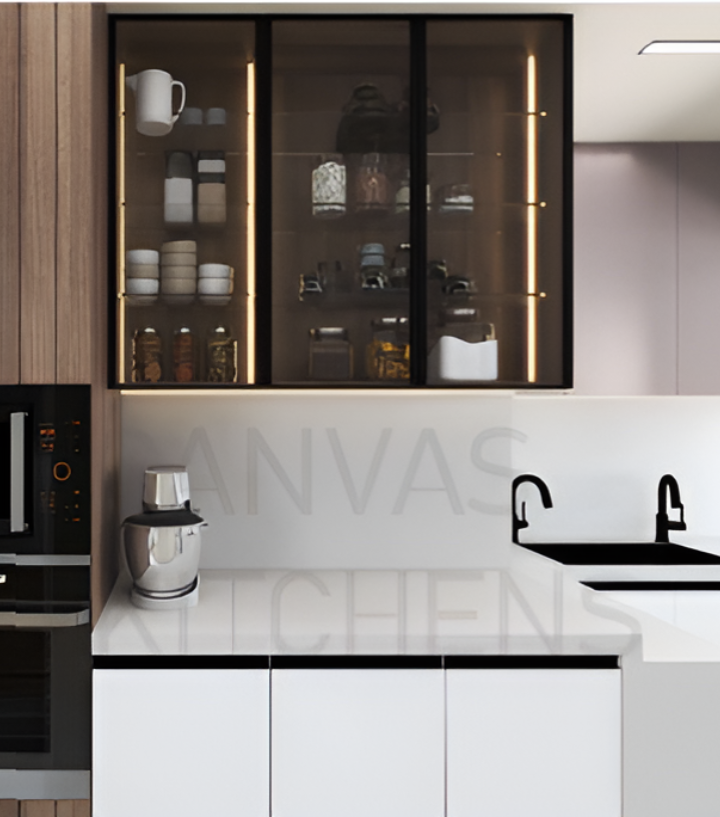
Failing to plan organized storage systems is one of the biggest mistakes. A premium modular kitchen should have a combination of tall units, pull-out trays, corner carousels, and dedicated compartments for everything from utensils to appliances. Appropriate storage will keep the kitchen compiled and visually appealing while ensuring everything has a home. Without a clever storage plan, even the most aesthetically designed kitchen can quickly turn into a cluttered space, losing its sense of purpose and sophistication
3. Choosing Inappropriate Finishes
Your modular kitchen’s finish determines its style and character. Mixing or using surfaces that don’t match with the overall look can detract from the whole plan. For a polished look, finishes like high gloss laminates, matte textures, glaks shutters, or PU paint finishes need to be chosen with care, keeping with the interiors of the home. A finish dictates the tone for the kitchen, whether that is sleek and modern or understated and elegant. The finish is an important part of a kitchen that feels cohesive and luxurious.
4. Neglecting Proper Lighting
Light can be one of the most understated, but valuable components of a modular kitchen. When we depend upon just a ceiling fixture for lighting in the kitchen, it will initiate shadows and compromised visibility. A luxurious kitchen requires heterogeneous sorts of lighting, including task lighting underneath the cabinets for preparation spaces, ambient ceiling lights for maximum general brightness, and accent lights to draw attention to finishes and textures. Good lighting assumes both functional, as well as bringing attention to the premium design elements within the module kitchen that create a light space and beautiful vision.
5. Poor Ventilation Choices
A kitchen should always seem nice and warm, regardless of how often it is used. Not appreciating ventilation systems or complicated chimneys may result in stale odors and a depressing atmosphere. A ventilated modular kitchen guarantees that clean air can circulate throughout the room and that any additional heat can be removed for a pleasing atmosphere. This adds comfort and also protects the luxury finishes and interiors of the kitchen, making sure the kitchen looks and feels nice over time.
6. Overcrowding the Layout
Including excessive cabinets, enlarged counters, or pointless features can disrupt modular kitchen design balance. A high-end design should create a sense of balancing lines, symmetry, and openness, while still creating enough storage and functioning layers. Planning your cabinetry, appliances and countertops this way will result in a clean, tidy and sophisticated feel. Consider every element to have purpose and to evoke a tasteful layout without visual clutter.
7. Ignoring Ergonomics
Luxury in a kitchen is about more than being beautiful; it is about a comfortable and usable space, and disregarding these ergonomic factors may result in discomfort when completing daily tasks in the kitchen. The height of a counter surface should be designed to minimize strain, and cabinets and drawers should be located to provide the most convenient access. Features like soft-close functionality, pull-down racks, and shelves placed within arm’s reach support comfort and usability. A true high-end kitchen design always optimizes ergonomics with a timeless look.
8. Mismanaging Appliance Integration
Today’s kitchens will be known for their appliance selection, but not placing them carefully can detract from functionality and elegance in equal measure. Built-in ovens, microwaves, dishwashers, and refrigerators should always be integrated into cabinetry as much as possible to give a seamless and finished appearance. Proper alignment of the appliances will keep them from interrupting the design language of the kitchen. As long as the appliances are appropriately managed, you’ll have a seamless, upscale look that improves the entire volume of cooking space.
9. Forgetting About Dedicated Zones
A modular kitchen should include clearly defined zones for preparation, cooking, cleaning, storage, and serving. Ignoring to introduce this principle can lead to inefficiencies and messy chaos. Zones allow for an orderly workflow and organize tasks into dedicated areas while maintaining clean lines. A true luxury kitchen is functional because it introduces this element of structure and organization allowing everything to have its place, which fosters an enjoyable and smooth cooking experience.
10. Compromising on Detailing
The distinction between an average kitchen versus a high-end modular kitchen often lies in the details. Features such as soft close drawers, hidden handles, integrated lighting, perfectly machined edges, and quality hardware all heighten the overall design. Failing to consider these details detracts from the kitchen’s sophistication, and reduces the feeling of luxury. Every detail, no matter how small, must be carefully executed to ensure a perfect result in a contemporary, high-end home.
Final Thoughts
Designing a modular kitchen requires a perfect balance of functionality, luxury, and precision. Avoiding these common mistakes ensures that your kitchen not only looks exquisite but also performs seamlessly in daily life.
At Canvas Kitchens, Wardrobes & More, we specialize in creating factory-made modular kitchens that combine innovation, elegance, and meticulous craftsmanship. Every design is tailored with smart storage, premium finishes, and refined detailing to suit the lifestyle of modern homeowners.
Transform your home with a modular kitchen that sets new standards in design and functionality. Begin your journey with Canvas Kitchens & More today.